Rice that tastes like ‘first love’? A social enterprise wants to share this love
Advertisement
Experiences
Rice that tastes like 'first love'? A social enterprise wants to share this dearest
Malaysia's Langit Collective – founded past four former NGO projection coordinators – wants to preserve the country's agronomical heritage past bringing heirloom rice to a wider audience.
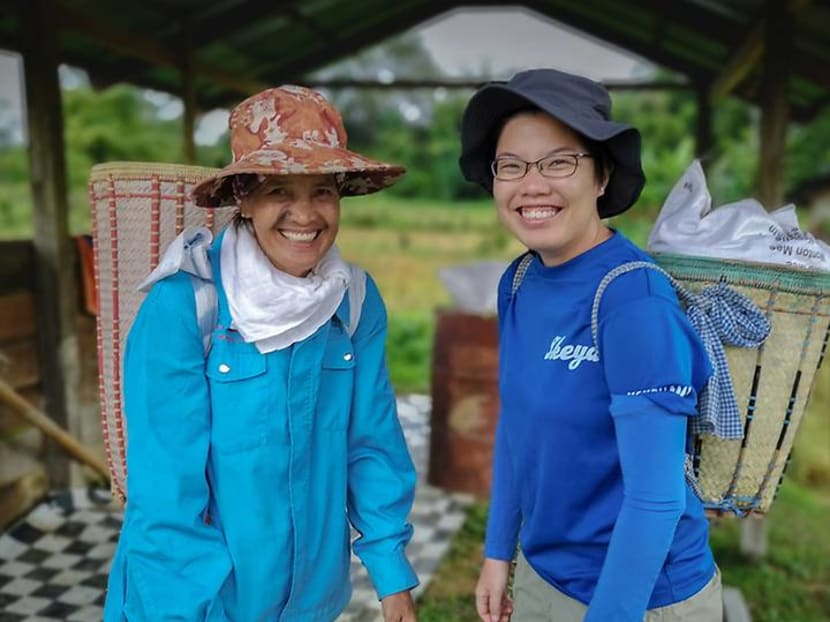
Langit Collective'south CMO Melisa Lim (R) with an heirloom rice farmer. (Photograph: Langit Collective)
15 Sep 2022 06:30AM (Updated: 05 Jul 2022 12:47AM)
It started in 2022 with that nearly apprehensive Asian staple: Rice.
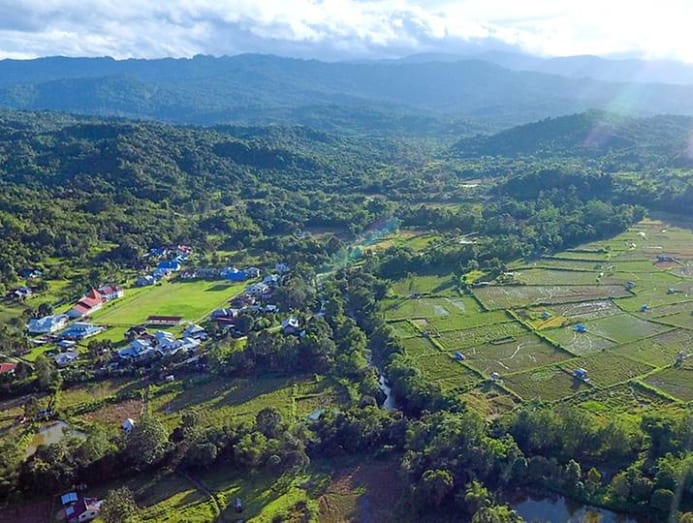
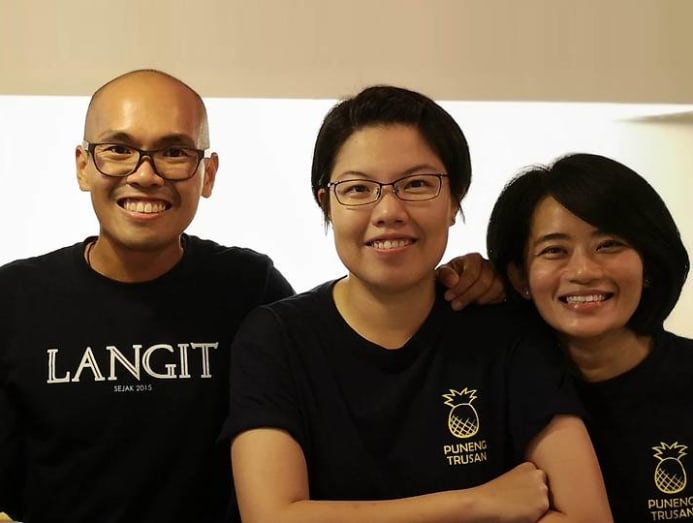
Melisa Lim, Chan Zi Xiang, Chia Yong Ling and Lilian Chen – project coordinators for a non-profit organisation – were managing the building of infrastructure in rural E Malaysia when they chanced upon the all-time rice they had e'er tasted on a field trip to Sarawak's Long Semadoh Valley.
The rice turned out to be an heirloom variety grown by the indigenous Lun Bawang community in the Lawas highlands. Chen compared the sensation of eating the rice to "first love", while Lim described the fragrance, taste and texture of the grains as "unforgettable".
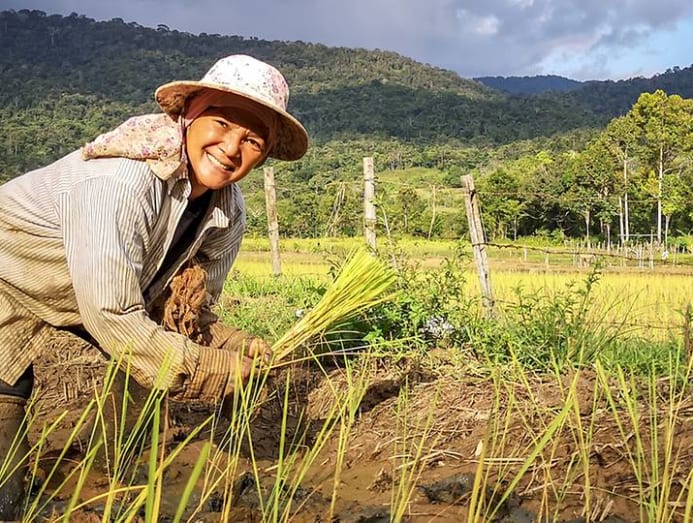
Heirloom rice is grown using paddy seeds that have been inherited and passed on from one generation to the other within rural communities. Typically, these paddy seeds are saved every year later on harvest and so replanted the next twelvemonth.
"They are truly as original as rice can exist and stand for the terroir of the land. If the saved seeds are not replanted, they volition slowly disappear from the communities," explained Lim.
"This is very much unlike commercial paddy seeds which are purchased for planting and are more likely to be GMO. Heirloom seeds are crucial every bit they reflect not only resilient crops that have withstood the examination of time, but more chiefly, the culture and heritage carried on by the indigenous farming communities."
READ> Bjorn Depression: 'Every Singaporean can help Singapore go more than food resilient'
This evocative experience was the seed that grew into Langit Commonage, a social enterprise aimed at ensuring smallholder farmers in rural communities receive a fair income for their valuable grains.
Coming from various backgrounds – an actuary, a designer, a chiropractor and print producer – all iv had abandoned their careers in their late 20s to join local not-profit, Impian Malaysia, in search of new experiences.
This is how four Kuala Lumpur-based urbanites came to feel rural East Malaysia at its rawest and got to know the difficulties its communities faced. Working for a non-profit farther reinforced in the group that economical empowerment rather than a charity model was more sustainable in the long term to meliorate these communities' livelihoods.
Around the end of 2015, the intrepid foursome decided to validate their idea by selling the heirloom grains they had enjoyed so much to their friends – they managed to sell 30kg in just two days.
To establish a framework for Langit, they enrolled into the MaGIC (Malaysian Global Innovation & Creativity Centre) accelerated program for local social enterprises. This four-month-long class covered every topic from ideation all the way to the terminal product. Information technology saw them through from starting operations and establishing supply chains to arranging transportation and applying for licenses.
Getting the farmers onboard was another kettle of fish, however.
"With rural farming communities, it's not easy to promote an unproven concept. They are very pragmatic and want to come across proven results before taking a plunge. Partly because many organisations have introduced projects that have no continuity," explained Lim, who is Langit'southward CMO (Chen is CEO, Chan is CFO, and Chia is CTO).
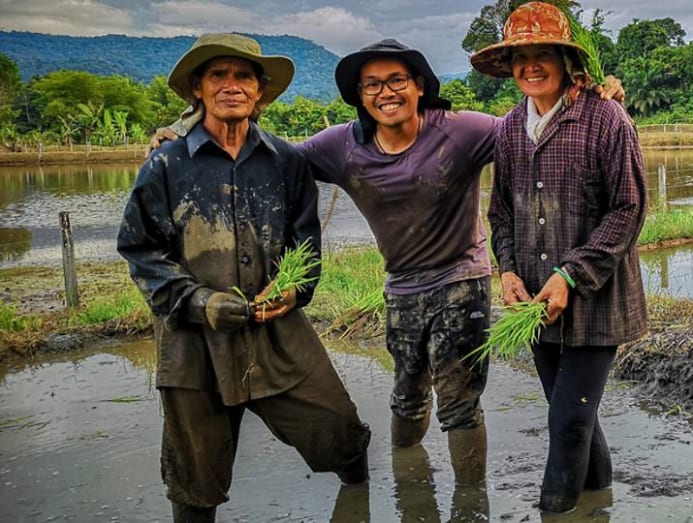
Langit currently promotes heirloom rice and grains from Long Semadoh and Long Sukang in Sarawak; spices like ground ginger from Keningau in Sabah; and single-diverseness peppers from Serian, Sarawak.
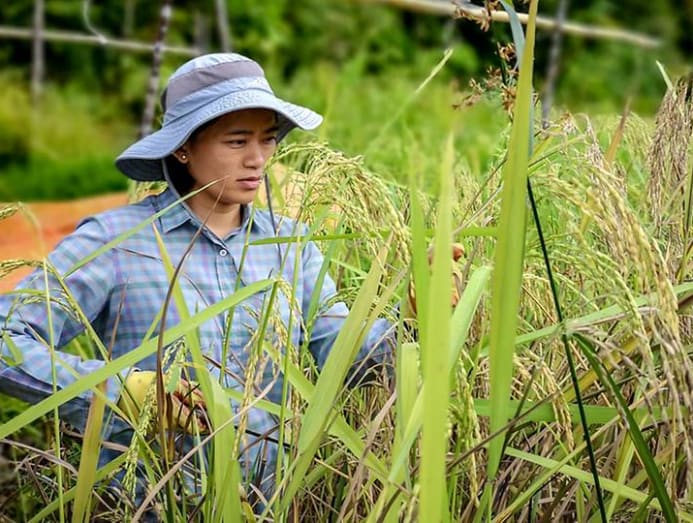
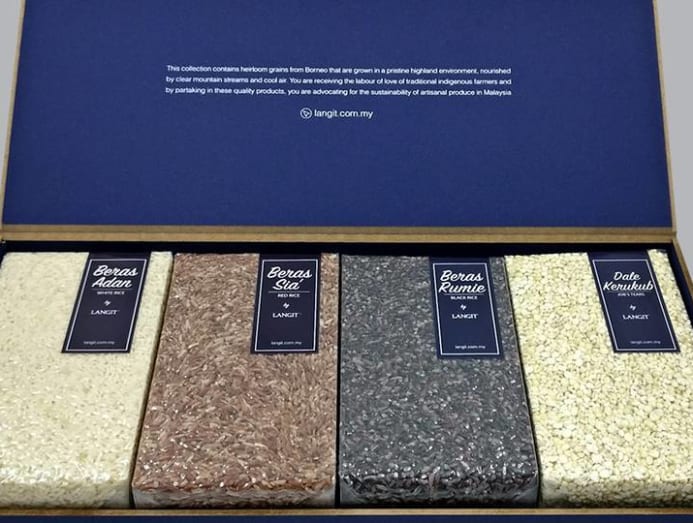
Naturally, their core products are heirloom rice varieties: Beras Adan, Beras Salleh, Beras Sia', Beras Keladi and Beras Rumie (beras means rice). The names reverberate what the farmers know them as in their respective indigenous languages.
The scarlet coloured Sia' ways red in Lun Bawang, while Keladi denotes yam to echo the grain'due south purplish hue. Adan and Salleh were named after the people who introduced the seed diversity to the community. Rumie is the simply one named later on a farmer who does her own seed selection of her all-time black variety every twelvemonth.
The unique flavours of the various rice varieties have been historic on the menus of KL'south finest restaurants, such equally Dewakan (ranked No. 46 in Asia's fifty All-time Restaurants 2019), which dedicated a porridge dish to Beras Keladi.
Lim recalled how it was tough at first getting Langit's rice into these establishments considering they weren't an established supplier and were selling local rice at an unheard-of toll betoken. However the product spoke for itself and found an abet in Dewakan's exacting head chef Darren Teoh.
"Our partnership with Dewakan grew organically from there as our values are aligned when it comes to celebrating underrated, local Malaysian ingredients, appreciating local farmers and advocating sustainability. And through this partnership, we gradually got connected to a network of like-minded chefs through give-and-take of mouth," Lim explained.
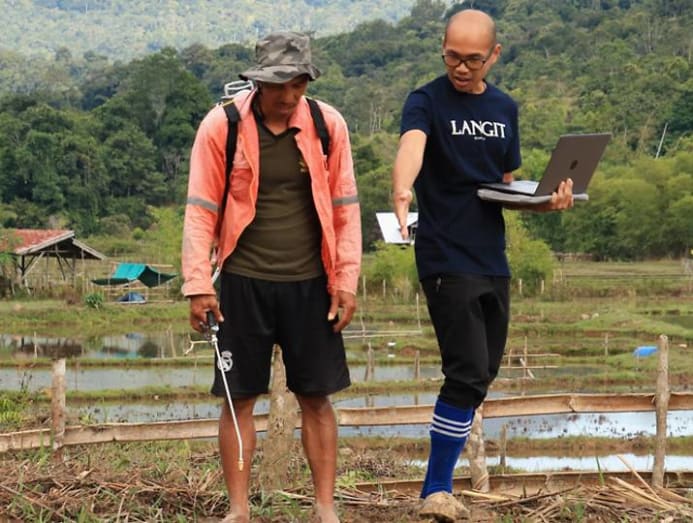
Five years on, Langit has grown their work from creating market place admission to actively looking at means of improving their farmers' farming practices – such every bit by using regenerative methods and/or adopting the advisable engineering.
"We admit that in order to take good, nutritious food and fifty-fifty achieving a big vision of creating a sustainable future starts from the soil, the people who work the state, and the biodiversity that nature provides," stated Lim.
Langit's business was not spared from the touch on of the COVID-19 pandemic, with losses from their B2B clients who had to end operations. However, sales from their e-commerce platform helped them to pull through. While Langit's range is available in specialty stores, business is done predominantly online.
Currently their main market place is Malaysia simply they are in the midst of testing shipping to Singapore: "Our product can exist quite fragile and gets bruised during commitment. In one case nosotros tin can find a expert solution, nosotros are definitely looking to ship internationally as there is a growing interest out at that place."
READ> A guide to sustainable eating – for you, the planet and generations to come
lewallendoned1995.blogspot.com
Source: https://cnalifestyle.channelnewsasia.com/experiences/heirloom-rice-social-enterprise-langit-collective-247416
0 Response to "Rice that tastes like ‘first love’? A social enterprise wants to share this love"
Post a Comment